English

 |


| Quantity: | |
|---|---|
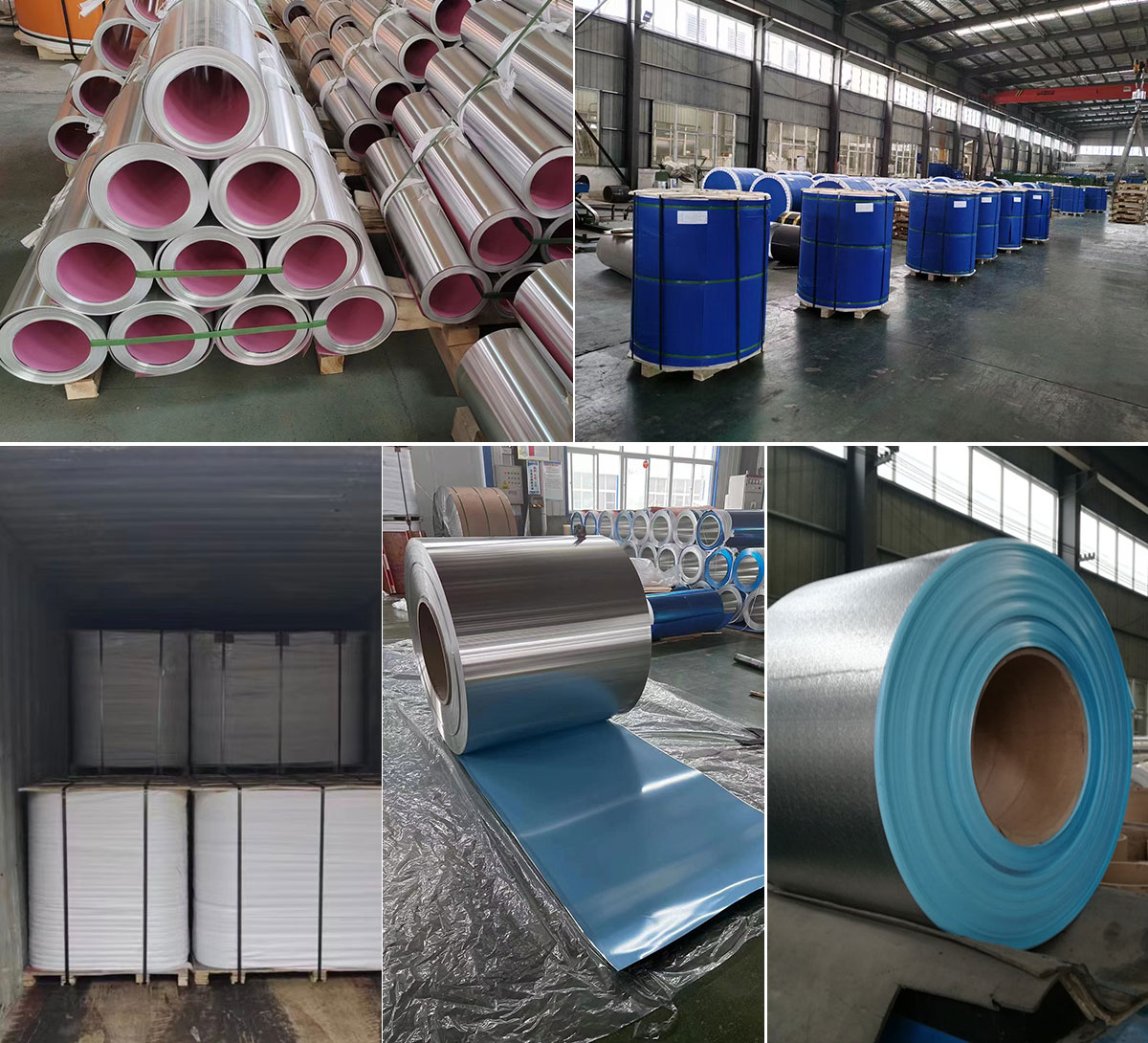
Aluminum Roll Jacekting
Green House Aluminum Industry
76061199
Introduction of Aluminum Roll Jacketing for Insulation Cladding:
Aluminum Roll Jacketing for Insulation Cladding is a globally recognized industrial-grade protective material used to safeguard thermal insulation systems in pipelines, storage tanks, pressure vessels, HVAC ducts, and energy infrastructure.
In modern industrial engineering, insulation systems are not only designed for thermal efficiency but also require long-term protection against moisture ingress, UV exposure, corrosion under insulation (CUI), and mechanical damage. Aluminum jacketing has become the preferred solution due to its proven performance, compliance with international standards such as ASTM B209 and ASTM C1729, and long service life in demanding environments.
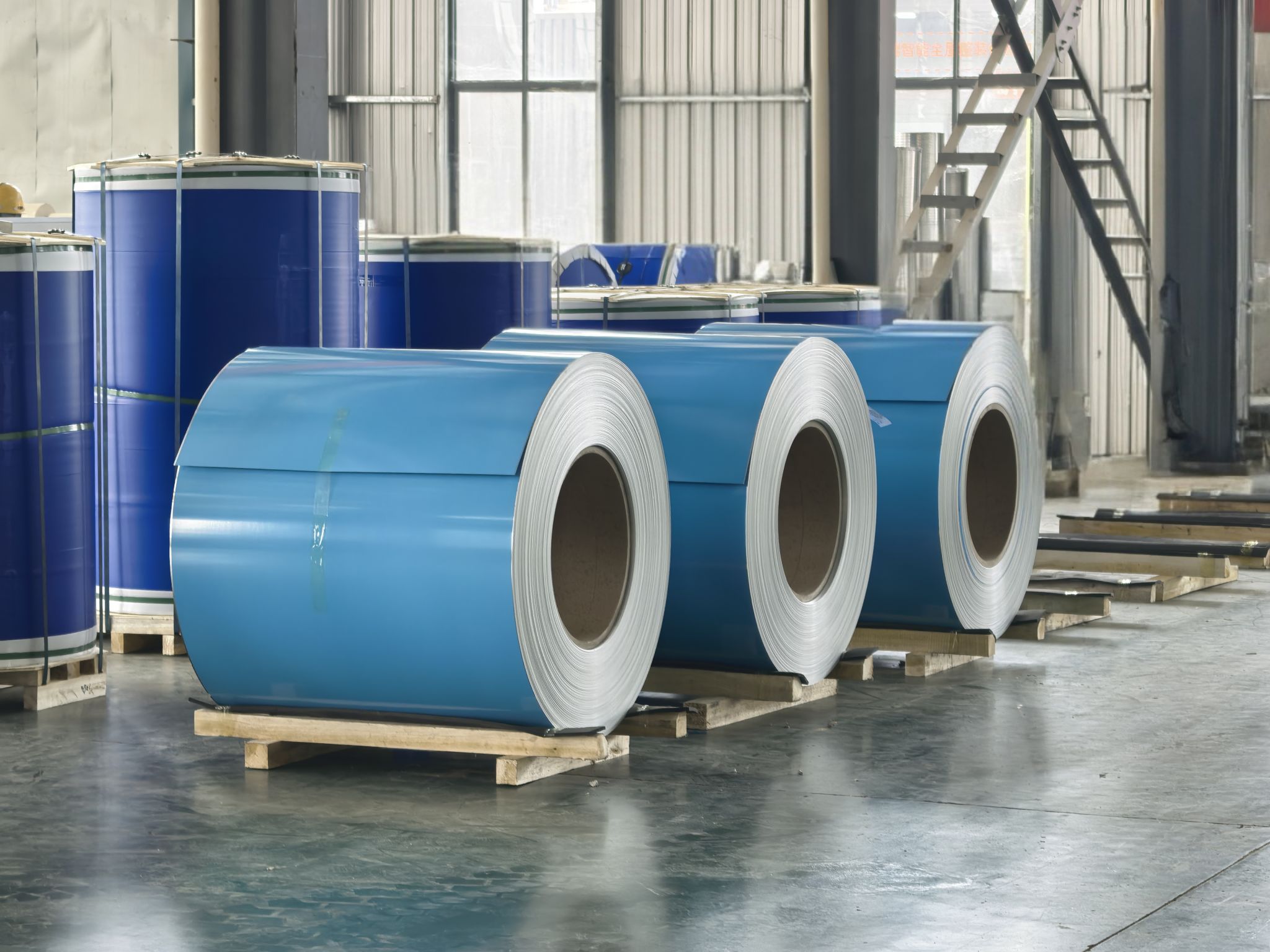
What is Aluminum Roll Jacketing?
Aluminum roll jacketing (also known as aluminum insulation cladding or aluminum lagging) is a thin-gauge aluminum coil material designed to be installed as the outer protective layer of thermal insulation systems.
It is typically applied over:
Mineral wool insulation
Glass wool insulation
Elastomeric rubber insulation
Polyurethane foam (PUF) systems
Internal Link Suggestion:

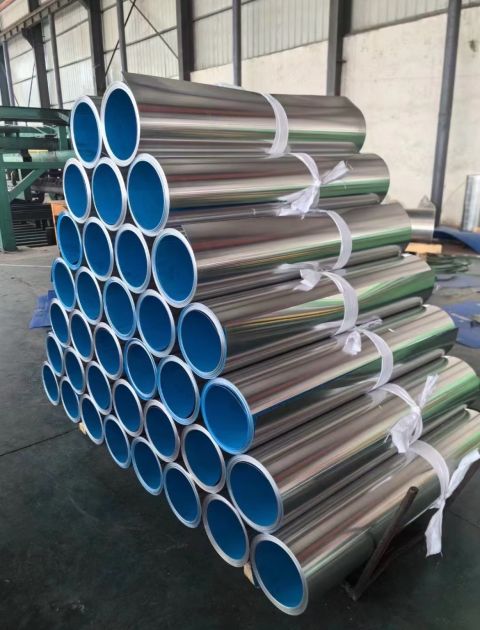
Why Aluminum is the Preferred Material for Insulation Cladding?
1.Superior Corrosion Resistance
Aluminum naturally forms a stable oxide layer, which prevents rust formation and significantly reduces corrosion risk in humid, coastal, and chemically aggressive environments.
2 Lightweight Engineering Advantage
Compared to galvanized steel jacketing, aluminum is approximately 60–65% lighter, reducing:
Structural load
Installation labor cost
Transportation expenses
3.Proven Performance in Corrosion Under Insulation (CUI)
When combined with Polysurlyn Moisture Barrier (PSMB), aluminum jacketing provides long-term protection against hidden corrosion beneath insulation systems.
4.Compliance with Global Standards
High-quality aluminum jacketing is typically manufactured under:
ASTM B209 (Aluminum sheet standard)
ASTM C1729 (Metal jacketing for insulation)
EN 485 (European aluminum standards)
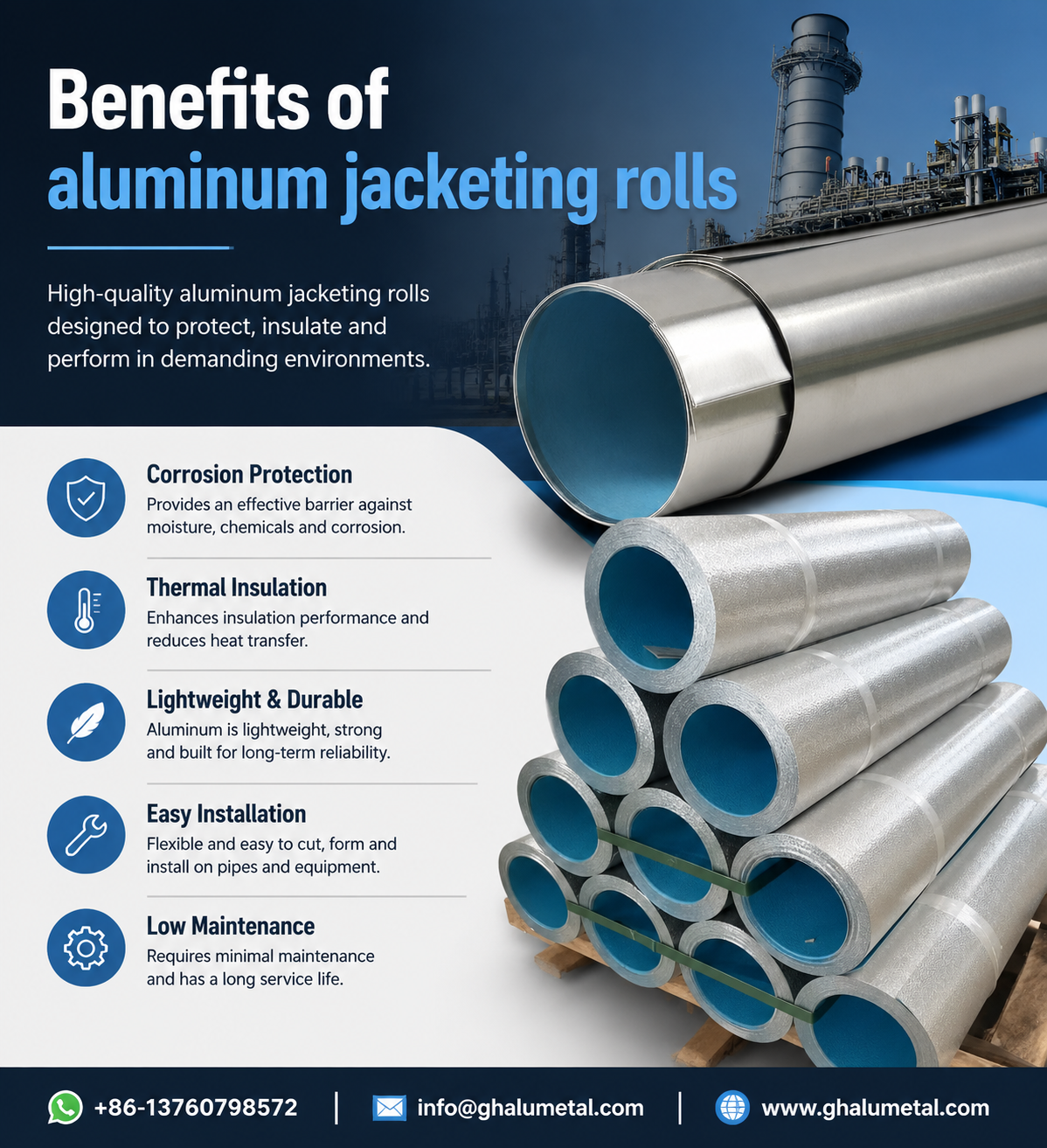
Surface Types & Engineering Options of Aluminum Jacketing Rolls:
1 Stucco Embossed Aluminum Jacketing
Most widely used surface type for industrial insulation cladding:
Improves mechanical strength
Reduces glare
Hides scratches during installation
2 Smooth Mill Finish Aluminum Jacketing
Used in controlled environments or where aesthetic finish is required.
3 Corrugated Aluminum Jacketing
Used for high-impact or large diameter tank insulation systems.
4 Protective Coatings
Polykraft moisture barrier
Polysurlyn moisture barrier (PSMB)
PVDF coated aluminum (optional high-end applications)

Stucco Embossed Aluminum Jacketing

Smooth Aluminum Jacketing
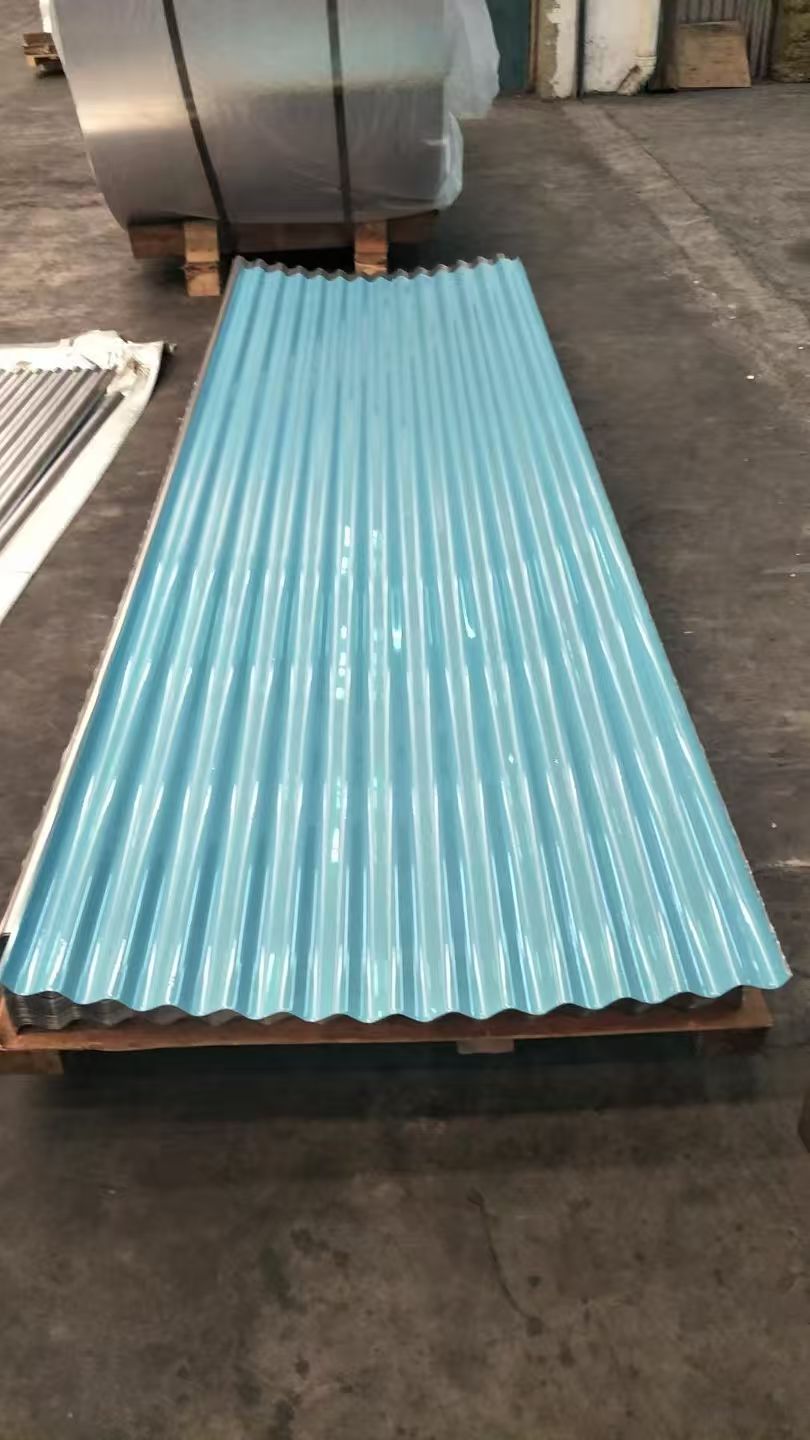
Corrugate Aluminum Jacketing

PVDF Coated Aluminum Jacketing
Technical Specifications of Aluminum Jacketing Rolls:
Parameter | Standard Range |
Alloy | 3003 |
Thickness | 0.4 – 1.2mm |
Width | 914 mm / 1000 mm / 1219 mm |
Form | Coil / Sheet / Pre-cut segments |
Standards | ASTM B209 / ASTM C1729 |
Moisture Barrier | Polykraft / Polysurlyn |
Applications of Aluminum Jacketing Rolls:
Oil & Gas Industry
Offshore pipelines
Refinery insulation systems
Petrochemical plants
Power & Energy Systems
Thermal power plants
Nuclear auxiliary systems
Renewable energy facilities
HVAC & Building Systems
Air duct insulation
Central cooling systems
Industrial ventilation ducts
6.4 Equipment Protection
Storage tanks
Boilers
Heat exchangers
Pressure vessels
Aluminum Jacketing vs Steel Jacketing
Feature | Aluminum Jacketing | Steel Jacketing |
Corrosion Resistance | Excellent | Moderate |
Weight | Lightweight | Heavy |
Installation Efficiency | High | Lower |
Maintenance Requirement | Low | High |
Service Life | Long-term | Medium |
CUI Protection | Strong (with barrier) | Limited |
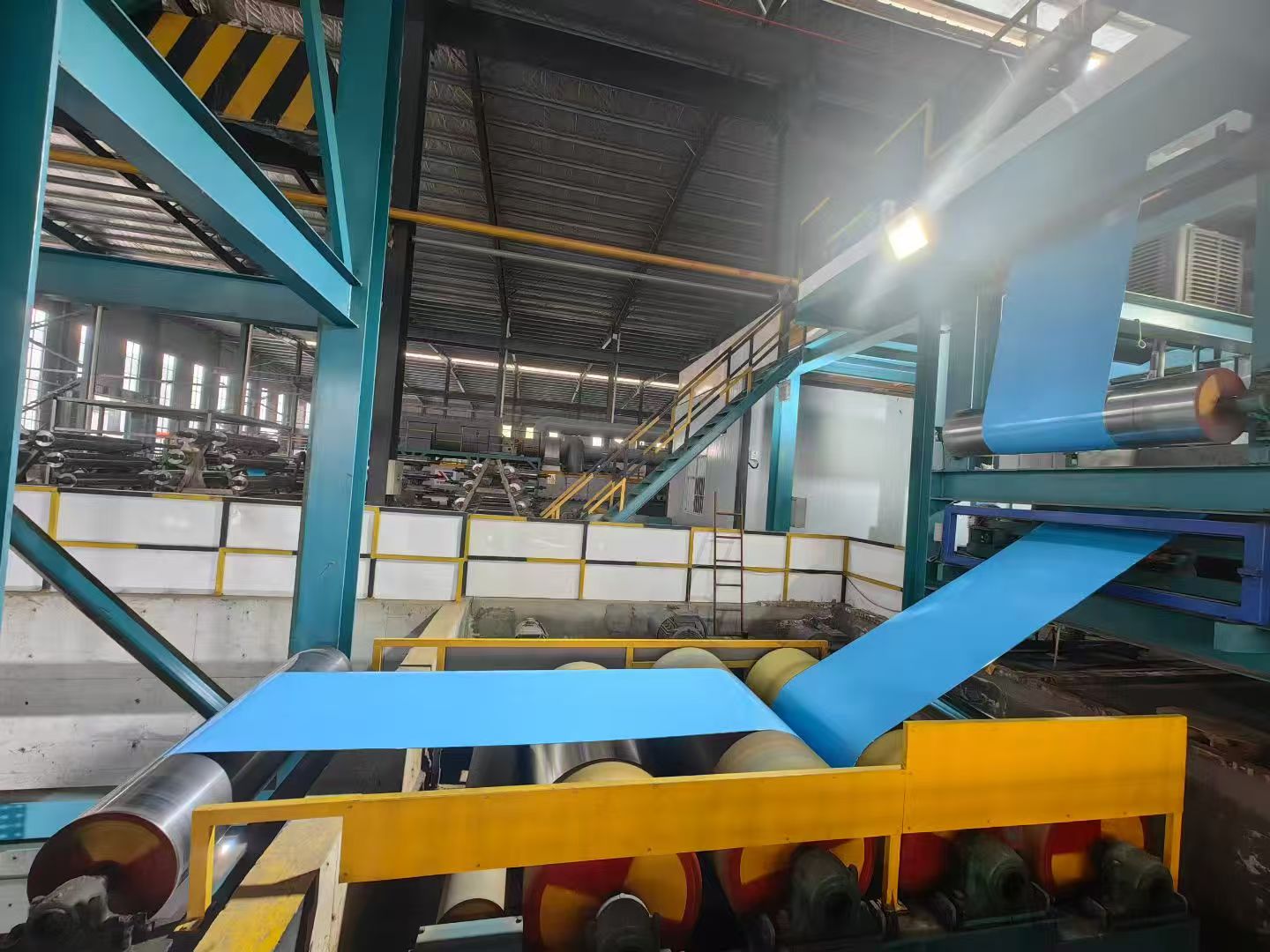
Manufacturing Quality Control of Aluminum Jacketing
Our high-quality aluminum roll jacketing is produced under strict industrial controls by :
Raw material inspection (chemical composition testing)
Surface treatment consistency control
Coating adhesion testing (if coated)
Thickness tolerance measurement
Moisture barrier bonding inspection
Packaging protection for export shipment
FAQ
Q1: What is aluminum roll jacketing used for?
It is used to protect thermal insulation systems on pipes, tanks, HVAC ducts, and industrial equipment from moisture, UV, and corrosion damage.
Q2: What is the benefit of stucco embossed aluminum jacketing?
It improves mechanical strength, reduces visual scratches, and enhances durability during installation and long-term service.
Q3: What is Polysurlyn moisture barrier?
It is a protective film bonded to aluminum jacketing to prevent corrosion under insulation (CUI) caused by trapped moisture.
Q4: Is aluminum jacketing suitable for offshore environments?
Yes, especially when using marine-grade alloys like 3003 or 5052 with moisture barrier protection.
Conclusion:
Aluminum Roll Jacketing for Insulation Cladding is a critical engineering material for protecting industrial insulation systems in harsh environments. Its combination of lightweight performance, corrosion resistance, and compliance with international standards makes it the preferred solution for EPC contractors, insulation engineers, and industrial plant operators worldwide.
For long-term reliability, selecting the correct alloy, thickness, and moisture barrier system is essential to ensure optimal insulation performance and lifecycle cost efficiency.
We usually provide wooden case or wooden pallet is adopted to shield products from harm for the duration of the delivery.
There are styles of packaging, which is eye to wall or eye to sky. Customers can choose according their requirements.